Buy sociowiki.eu ?
We are moving the project
sociowiki.eu .
Are you interested in purchasing the domain
sociowiki.eu ?
domain@kv-gmbh.de · 0541-91531010
Buy sociowiki.eu ?
Which network should one use at home - public network, home network, or workplace network? Which is the safest?
For optimal security, it is recommended to use a home network at home. Home networks are typically more secure than public networks as they are password-protected and controlled by the user. Workplace networks can also be secure, but they may have additional restrictions and monitoring in place. Public networks, such as those in cafes or airports, are the least secure option as they are open to anyone and can be easily compromised by hackers. **
Which network should one use at home - public network, home network, or work network? Which is the safest?
For optimal security, it is recommended to use a home network at home. Home networks are typically more secure than public networks, as they are password-protected and offer more control over who can access the network. Public networks, such as those found in cafes or airports, are the least secure option as they are open to anyone and can be easily compromised by hackers. Work networks are secure but are typically designed for work-related activities and may have restrictions on personal use. **
Similar search terms for RLF-Home-Prosperity-Provance
Top-Angebote
Products related to RLF-Home-Prosperity-Provance:
-
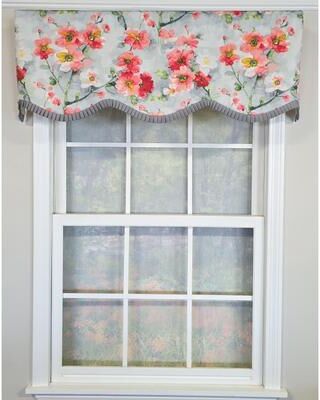
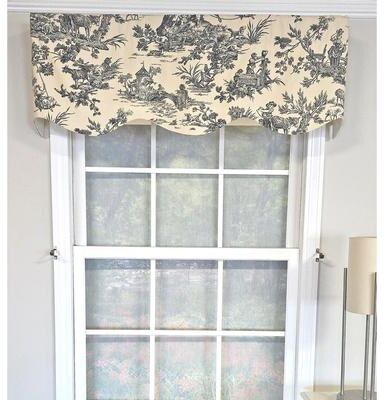
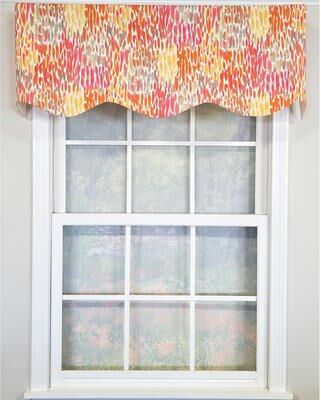
RLF Home Umbrellas Provance Valance"RLF Home Umbrellas Provance Valance. Busy beach dayDecorator's quality fabrics. Ivory Poly/Cotton Lining. 3"" Rod Pocket Use a 2-1/2"" Continental curtain rod, regular 3/4"" Curtain rod or tension rod. Fits Windows up to 48""W."75,99 $*Shipping: 0,00 $Secure redirect to the provider
-
RLF Home Fishbowl Provance Valance"RLF Home Fishbowl Provance Valance in vibrant colors with French pleat ruffle along bottom. Decorator's quality fabrics. Ivory Poly/Cotton Lining. 3"" Rod Pocket Use a 2-1/2"" Continental curtain rod, regular 3/4"" Curtain rod or tension rod."73,71 $*Shipping: 0,00 $Secure redirect to the provider
-
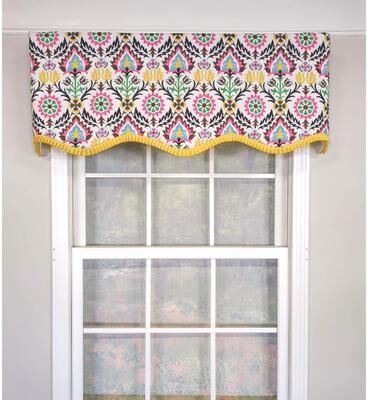
RLF Home Suzani Provance Valance"RLF Home Suzani Provance Valance. Modern patterns in wild vivid colors. Decorator's quality fabrics. Ivory Poly/Cotton Lining. 3"" Rod Pocket Use a 2-1/2"" Continental curtain rod, regular 3/4"" Curtain rod or tension rod. Fits Windows up to 48""W."75,99 $*Shipping: 0,00 $Secure redirect to the provider
-
RLF Home Nautilus Provance Valance"RLF Home Nautilus Provance Valance. Close view at wild life in the sea. Decorator's quality fabrics. Ivory Poly/Cotton Lining. 3"" Rod Pocket Use a 2-1/2"" Continental curtain rod, regular 3/4"" Curtain rod or tension rod. Fits Windows up to 48""W."75,99 $*Shipping: 0,00 $Secure redirect to the provider



-
Which network should one use at home - public network, home network, or work network? Which is the most secure?
For optimal security at home, it is recommended to use the home network. Home networks are typically more secure than public networks as they are private and can be customized with security measures such as strong passwords and encryption. Work networks are also secure, but they are designed for professional use and may have restrictions that limit personal activities. Overall, the home network is the most secure option for personal use. **
-
Which network should one use at home - public network, home network, or workplace network? Which is the most secure?
For the highest level of security, it is recommended to use a home network at home. Home networks are typically more secure than public networks, as they are controlled and managed by the homeowner. Workplace networks can also be secure, but they may have additional security measures in place that could restrict certain activities. Public networks, such as those found in cafes or airports, are the least secure option as they are open to anyone and can be more easily compromised by hackers. **
-
Which network should one use at home - public network, home network, or workplace network? Which one is the most secure?
For the highest level of security, it is recommended to use a home network at home. Home networks are typically more secure than public networks, as they are controlled and managed by the user. Workplace networks can also be secure, but they may have additional security measures in place that could restrict certain activities. Public networks, such as those found in cafes or airports, are the least secure option as they are open to anyone and can be more easily compromised by hackers. **
-
How do you wire a home network?
To wire a home network, you will need to plan the layout of your network, including the location of your router and the placement of Ethernet cables. Next, you will need to run Ethernet cables from the router to the various rooms in your home where you want to have network access. You can do this by either running the cables through the walls and ceilings or using surface-mounted cable channels. Once the cables are in place, you can connect them to wall jacks or directly to devices such as computers or smart TVs. Finally, you will need to configure your router and devices to ensure they are all connected to the network. **

How can a home network be compromised?
A home network can be compromised in several ways. One common method is through weak or default passwords on routers and other network devices, which can be easily guessed or exploited by attackers. Another way is through phishing emails or malicious websites that trick users into revealing their network credentials. Additionally, outdated software and firmware on network devices can contain security vulnerabilities that can be exploited by attackers. Finally, physical access to network devices, such as a hacker gaining access to a home's router, can also compromise a home network. **
What is a firewall in a home network?
A firewall in a home network is a security system that monitors and controls incoming and outgoing network traffic based on predetermined security rules. It acts as a barrier between your internal network and the internet, helping to protect your devices from unauthorized access and cyber threats. Firewalls can be hardware devices or software programs that help to filter and block potentially harmful data packets, ensuring the security and privacy of your home network. **
Top-Angebote
Products related to RLF-Home-Prosperity-Provance:
-
RLF Home Evocative Provance Valance"Fits Windows up to 50""W. Use multiples for Wider Windows. Decorator's quality fabrics. Fully lined with Poly/Cotton Ivory lining. Use a 2-1/2"" Continental Rod, a regular 3/4"" Curtain rod, Tension rod or Decorative pole no more than 1-3/8"" Diameter."60,62 $*Shipping: 0,00 $Secure redirect to the provider
-
RLF Home Umbrellas Provance Valance"RLF Home Umbrellas Provance Valance. Busy beach dayDecorator's quality fabrics. Ivory Poly/Cotton Lining. 3"" Rod Pocket Use a 2-1/2"" Continental curtain rod, regular 3/4"" Curtain rod or tension rod. Fits Windows up to 48""W."75,99 $*Shipping: 0,00 $Secure redirect to the provider
-
RLF Home Fishbowl Provance Valance"RLF Home Fishbowl Provance Valance in vibrant colors with French pleat ruffle along bottom. Decorator's quality fabrics. Ivory Poly/Cotton Lining. 3"" Rod Pocket Use a 2-1/2"" Continental curtain rod, regular 3/4"" Curtain rod or tension rod."73,71 $*Shipping: 0,00 $Secure redirect to the provider
-
Which network should one use at home - public network, home network, or workplace network? Which is the safest?
For optimal security, it is recommended to use a home network at home. Home networks are typically more secure than public networks as they are password-protected and controlled by the user. Workplace networks can also be secure, but they may have additional restrictions and monitoring in place. Public networks, such as those in cafes or airports, are the least secure option as they are open to anyone and can be easily compromised by hackers. **
-
Which network should one use at home - public network, home network, or work network? Which is the safest?
For optimal security, it is recommended to use a home network at home. Home networks are typically more secure than public networks, as they are password-protected and offer more control over who can access the network. Public networks, such as those found in cafes or airports, are the least secure option as they are open to anyone and can be easily compromised by hackers. Work networks are secure but are typically designed for work-related activities and may have restrictions on personal use. **
-
Which network should one use at home - public network, home network, or work network? Which is the most secure?
For optimal security at home, it is recommended to use the home network. Home networks are typically more secure than public networks as they are private and can be customized with security measures such as strong passwords and encryption. Work networks are also secure, but they are designed for professional use and may have restrictions that limit personal activities. Overall, the home network is the most secure option for personal use. **
-
Which network should one use at home - public network, home network, or workplace network? Which is the most secure?
For the highest level of security, it is recommended to use a home network at home. Home networks are typically more secure than public networks, as they are controlled and managed by the homeowner. Workplace networks can also be secure, but they may have additional security measures in place that could restrict certain activities. Public networks, such as those found in cafes or airports, are the least secure option as they are open to anyone and can be more easily compromised by hackers. **
Similar search terms for RLF-Home-Prosperity-Provance
-
RLF Home Suzani Provance Valance"RLF Home Suzani Provance Valance. Modern patterns in wild vivid colors. Decorator's quality fabrics. Ivory Poly/Cotton Lining. 3"" Rod Pocket Use a 2-1/2"" Continental curtain rod, regular 3/4"" Curtain rod or tension rod. Fits Windows up to 48""W."75,99 $*Shipping: 0,00 $Secure redirect to the provider
-
RLF Home Nautilus Provance Valance"RLF Home Nautilus Provance Valance. Close view at wild life in the sea. Decorator's quality fabrics. Ivory Poly/Cotton Lining. 3"" Rod Pocket Use a 2-1/2"" Continental curtain rod, regular 3/4"" Curtain rod or tension rod. Fits Windows up to 48""W."75,99 $*Shipping: 0,00 $Secure redirect to the provider
-
RLF Home Dazzle Provance Valance"RLF Home Dazzle Provance Valance. Fits window up to 48""W. Add multiples for wider windows. Use a 2-1/2"" Continental rod, a regular 3/4"" rod, tension rod or decorative pole no more than 1-3/8"" diameter (NOT INCLUDED)."62,99 $*Shipping: 0,00 $Secure redirect to the provider
-
RLF Home Victorian Provance Valance"Fits Windows up to 50""W. Use multiples for Wider Windows. Decorator's quality fabrics. Fully lined with Poly/Cotton Ivory lining. Use a 2-1/2"" Continental Rod, a regular 3/4"" Curtain rod, Tension rod or Decorative pole no more than 1-3/8"" Diameter."68,99 $*Shipping: 0,00 $Secure redirect to the provider
-
Which network should one use at home - public network, home network, or workplace network? Which one is the most secure?
For the highest level of security, it is recommended to use a home network at home. Home networks are typically more secure than public networks, as they are controlled and managed by the user. Workplace networks can also be secure, but they may have additional security measures in place that could restrict certain activities. Public networks, such as those found in cafes or airports, are the least secure option as they are open to anyone and can be more easily compromised by hackers. **
-
How do you wire a home network?
To wire a home network, you will need to plan the layout of your network, including the location of your router and the placement of Ethernet cables. Next, you will need to run Ethernet cables from the router to the various rooms in your home where you want to have network access. You can do this by either running the cables through the walls and ceilings or using surface-mounted cable channels. Once the cables are in place, you can connect them to wall jacks or directly to devices such as computers or smart TVs. Finally, you will need to configure your router and devices to ensure they are all connected to the network. **
-
How can a home network be compromised?
A home network can be compromised in several ways. One common method is through weak or default passwords on routers and other network devices, which can be easily guessed or exploited by attackers. Another way is through phishing emails or malicious websites that trick users into revealing their network credentials. Additionally, outdated software and firmware on network devices can contain security vulnerabilities that can be exploited by attackers. Finally, physical access to network devices, such as a hacker gaining access to a home's router, can also compromise a home network. **
-
What is a firewall in a home network?
A firewall in a home network is a security system that monitors and controls incoming and outgoing network traffic based on predetermined security rules. It acts as a barrier between your internal network and the internet, helping to protect your devices from unauthorized access and cyber threats. Firewalls can be hardware devices or software programs that help to filter and block potentially harmful data packets, ensuring the security and privacy of your home network. **
* All prices are inclusive of VAT and, if applicable, plus shipping costs. The offer information is based on the details provided by the respective shop and is updated through automated processes. Real-time updates do not occur, so deviations can occur in individual cases. ** Note: Parts of this content were created by AI.