Buy sociowiki.eu ?
We are moving the project
sociowiki.eu .
Are you interested in purchasing the domain
sociowiki.eu ?
domain@kv-gmbh.de · 0541-91531010
Buy sociowiki.eu ?
What are polygons?
Polygons are two-dimensional shapes that are made up of straight lines and enclosed by a set of vertices. They can have any number of sides, but must have at least three. Common examples of polygons include triangles, squares, rectangles, pentagons, hexagons, and octagons. Polygons are used in various mathematical and geometric applications, and are fundamental to understanding the properties of shapes and their relationships. **
What are triangles and polygons?
Triangles are three-sided polygons, while polygons are closed shapes with straight sides. Triangles are a specific type of polygon with three sides and three angles. Polygons can have any number of sides, as long as they are straight and the shape is closed. Both triangles and polygons are fundamental shapes in geometry and are used to study the properties of angles, sides, and area. **

Similar search terms for Polygons
Top-Angebote
Products related to Polygons:
-
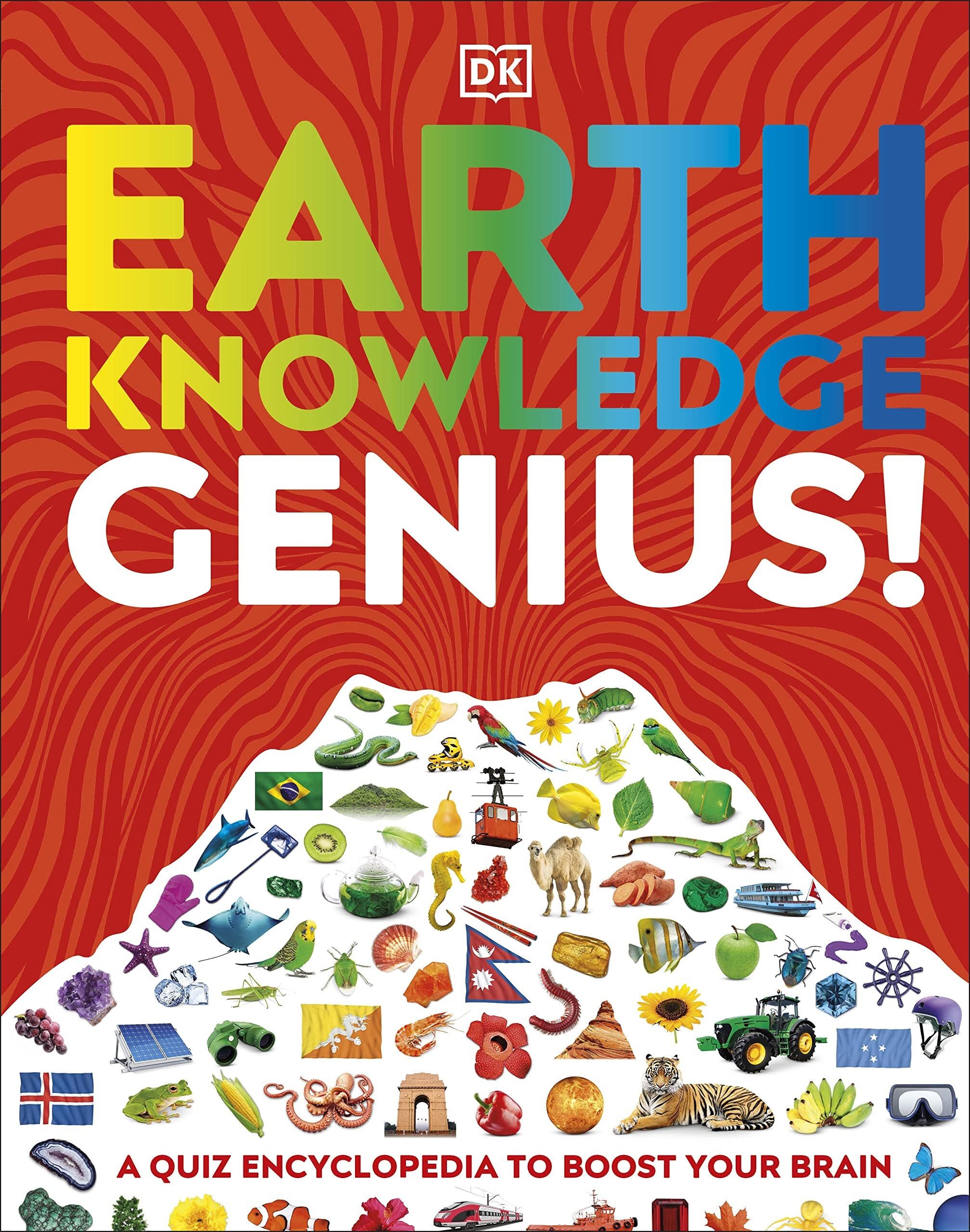
DK Earth Knowledge Genius! – Quiz Encyclopedia to Boost Your Brain & General Knowledge for KidsPut your knowledge about Planet Earth to the test with this brilliant quiz book for kids! Introducing Earth Knowledge Genius! - a brand new quiz book jam-packed with over 60 topics including mountains, deserts, extreme weather, natural wonders and so much more! Can you find the Himalayas and the Andes mountain ranges on the map? Can you spot the difference between the flags of Australia and New Zealand? Can you pinpoint the Red Sea, Black Sea and the Dead Sea on a map? If the answer is no, then this may be the book for you! Take on this brain-busting challenge about our amazing planet! So what are you waiting for? Challenge yourself and explore: -"Reference" spreads to introduce all 60 topics and give all the essential info -"Quiz" pages, packed with pictures to pore over, put your knowledge to the test -"Test Yourself" panel lists what you're looking for across three levels of difficulty - starter, challenger, and genius -A fun fact with every image gives a clue -Answers appear upside down on the page As you hop from one continent to the next, you will not only learn more about our fascinating world, but also have fun in this brilliantly entertaining quiz book for kids and the whole family to enjoy. From capital cities to amazing animals, finding flags and wild weather, you can explore pages jam-packed with eye-popping pictures - and if you don't know where each natural wonder is located, then you can use the handy "Test Yourself" panels to list what you're looking for! With three levels of difficulty, the challenge gets harder as you work your way from Starter, to Challenger, and finally the truly tricky Genius category! If you need it, there's a fun fact with every picture to give a helpful clue. A must-have volume for children aged 9-12 with a thirst for knowledge and discovery, as well as parents and teachers looking for ways to make learning fun and engaging, this awe-inspiring quiz book will keep kids, and the whole family entertained and engaged time and time again.7,95 £*Shipping: 2,99 £Secure redirect to the provider
-
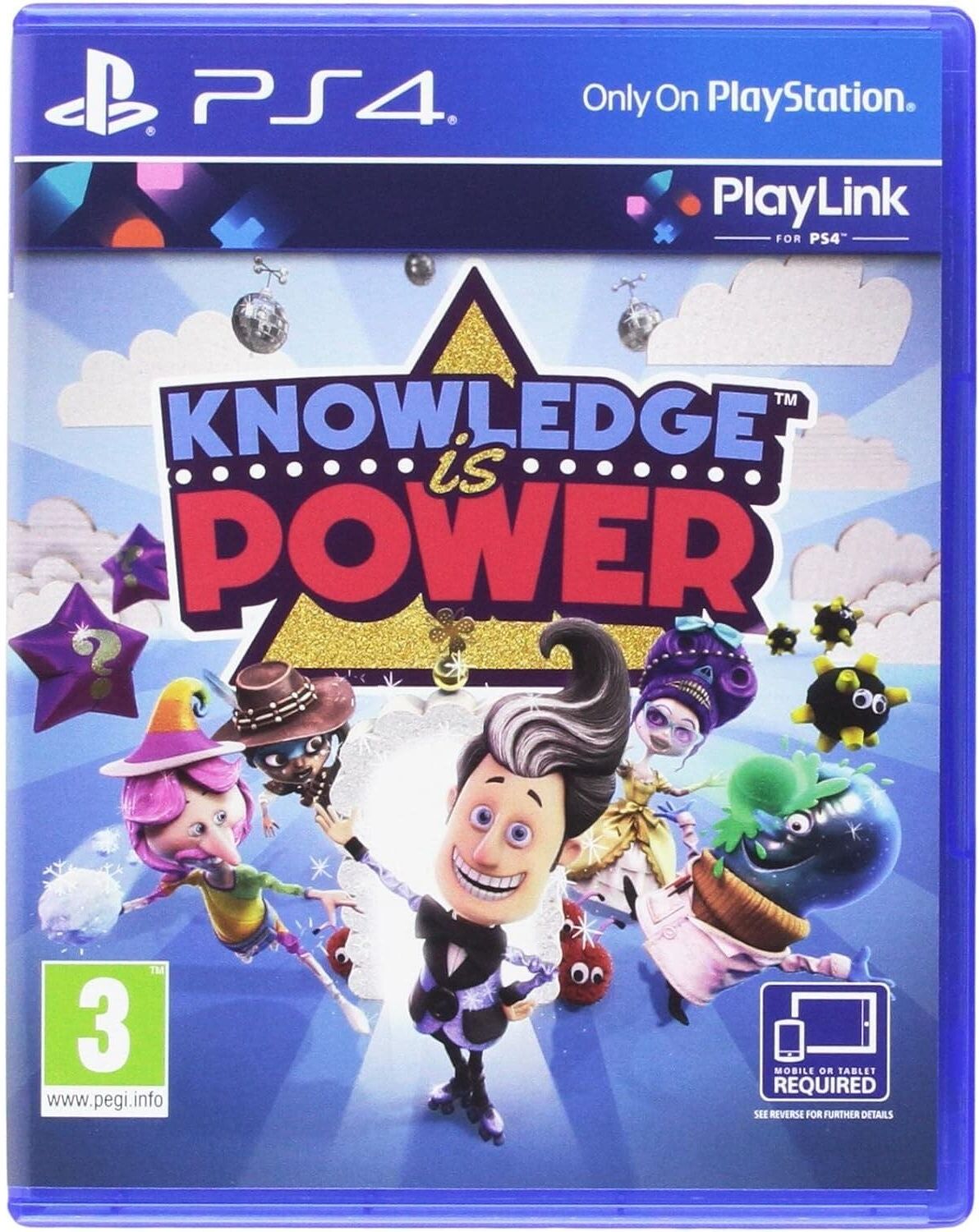
Knowledge is Power (Playlink PS4), Used.gadcet-pdp{--g-green:#00a651;color:#1f2430;line-height:1.55;font-size:inherit;max-width:760px}.gadcet-pdp>*:first-child{margin-top:0}.gadcet-pdp p{margin:0 0.9em}.gadcet-pdp h3{font-size:1.05em;font-weight:600;color:#11161f;margin:1.4em 0.5em;padding-left:.5em;border-left:3px solid var(--g-green);border-radius:0;line-height:1.3}.gadcet-pdp ul{list-style:none!important;margin:0 0.9em;padding:0!important}.gadcet-pdp ul li{position:relative;padding:.1em 0.1em 1.5em;margin:0}.gadcet-pdp ul li::before{content:"";position:absolute;left:.16em;top:.45em;width:.36em;height:.66em;border:solid var(--g-green);border-width:0.14em.14em 0;transform:rotate(45deg)}.gadcet-pdp table{width:100%;border-collapse:collapse;margin:.3em 0 1em;font-size:.95em;border:1px solid #e7e9ee!important;border-radius:8px;overflow:hidden}.gadcet-pdp table td{padding:.5em.8em;border-bottom:1px solid #eef0f4!important;vertical-align:top}.gadcet-pdp table tr:last-child td{border-bottom:0!important}.gadcet-pdp table tr:nth-child(even){background:#f7f9f8}.gadcet-pdp table td:first-child{font-weight:600;color:#454c59;width:40%}@media (max-width:600px){.gadcet-pdp table td:first-child{width:42%}} Turn quiz night into a lively PlayLink challenge with Knowledge is Power for PS4. Use touchscreen controls, test your knowledge and disrupt your rivals with tactical Power Plays. Key Features PlayLink quiz game for PlayStation 4 Option to play using compatible phones and tablets with touchscreen controls Personalise characters using selfies Compete through the Pyramid of Knowledge under game show host Max Use Power Plays such as bombs and ice against opponents Vote for or veto question categories as you progress Face rapid-fire questions and Power Plays in the Grand Finale Benefits Makes group quiz sessions easy to join using familiar touchscreen controls Combines trivia with tactical choices for competitive party play Offers a social experience suited to family gatherings and games nights Specifications Title Knowledge is Power Platform PlayStation 4 Game type PlayLink party quiz Control option Phones and tablets with touchscreen controls Format Physical game disc Barcode 711719947967 What You'll Receive One Knowledge is Power physical game disc for PS4 in your selected New or Used condition. Ideal For A fun choice for families, quiz fans and groups looking for a competitive PS4 party game with accessible touchscreen play.8,99 £*Shipping: 0,00 £Secure redirect to the provider
-
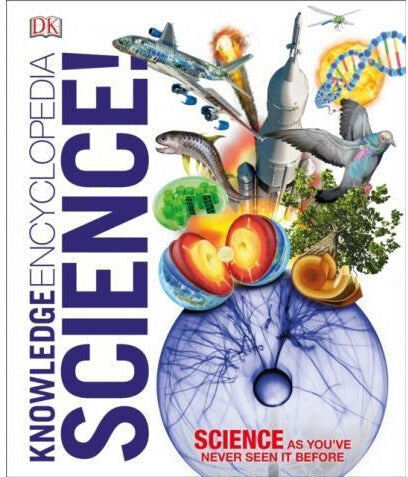
Dorling Kindersley Knowledge Encyclopedia Science By DKKnowledge Encyclopedia Science Description An extraordinary encyclopedia with a ground-breaking visual approach to science; using awesome illustrations to show biology; chemistry; and physics in the world around us. Incredible computer-generated images pack the pages to reveal and explain science as never before; looking inside a cell; for example; pulling apart a Formula 1 racing car; and examining the forces that hold the Universe together. Knowledge Encyclopedia: Science! covers all the key core science subjects; but with an inventive visual approach to draw in curious young minds. All the essential information is there in easy-to-read text; together with additional fun facts; and brought to life with amazing 3D illustrations that look inside the anatomy of a blue whale; zoom into a molecule of water; and out of the Solar System. A perfect introduction to science for.9,99 £*Shipping: 2,99 £Secure redirect to the provider
-
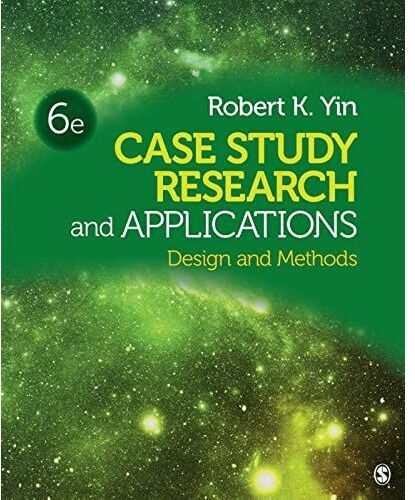
SAGE Publications Case Study Research and Applications: Design and MethodsRecognized as one of the most cited methodology books in the social sciences, the Sixth Edition of Robert K. Yin′s bestselling text provides a complete portal to the world of case study research. With the integration of 11 applications in this edition, the book gives readers access to exemplary case studies drawn from a wide variety of academic and applied fields. Ultimately, Case Study Research and Applications will guide students in the successful use and application of the case study research method.59,99 £*Shipping: 0,00 £Secure redirect to the provider
-
How can I reduce further polygons?
To reduce further polygons, you can try simplifying the geometry by removing unnecessary vertices or edges. This can be done by using tools like the simplify function in modeling software or manually editing the mesh to remove unnecessary details. Additionally, you can try using techniques like retopology to create a cleaner and more optimized mesh with fewer polygons. Finally, consider using LOD (Level of Detail) techniques to dynamically adjust the level of detail based on the distance of the object from the camera, reducing the number of polygons rendered at a given time. **
-
How can I further reduce polygons?
You can further reduce polygons by using tools such as the "Decimate" modifier in 3D modeling software, which allows you to reduce the number of polygons while preserving the overall shape of the model. Additionally, you can manually optimize the topology of the model by merging vertices, removing unnecessary edge loops, and simplifying complex geometry. Another approach is to use automated retopology tools to create a lower-polygon version of the model while maintaining its overall structure and details. **
-
How do you calculate regular polygons?
To calculate the area of a regular polygon, you can use the formula: Area = (1/2) * apothem * perimeter, where the apothem is the distance from the center of the polygon to the midpoint of any side, and the perimeter is the total length of all the sides. To calculate the interior angle of a regular polygon, you can use the formula: Interior angle = (180 * (n - 2)) / n, where n is the number of sides. Finally, to calculate the exterior angle of a regular polygon, you can use the formula: Exterior angle = 360 / n, where n is the number of sides. **
-
What are polygons in video games?
Polygons in video games are the building blocks of 3D graphics. They are flat, two-dimensional shapes that are used to create the surfaces of 3D objects in the game world. These polygons are connected to form the overall shape of the object, and then textures and lighting are applied to give them a more realistic appearance. The more polygons used, the more detailed and complex the 3D models can be, but this also requires more processing power from the computer or gaming console. **


Does a subdivision surface create more polygons?
Yes, a subdivision surface does create more polygons. When a subdivision surface is applied to a model, it increases the number of polygons by subdividing the existing geometry and creating a smoother surface. This can result in a higher level of detail and a more organic shape, but it also increases the complexity of the model and can impact performance in some cases. **
How do you calculate polygons in math?
To calculate the area of a polygon in math, you can use the formula A = 1/2 * base * height for a triangle, A = length * width for a rectangle, or A = 1/2 * apothem * perimeter for a regular polygon. For irregular polygons, you can divide the shape into smaller, simpler shapes and calculate their individual areas, then sum them up to find the total area of the polygon. Additionally, you can use trigonometric functions to calculate the area of a polygon with known side lengths and angles. **
Top-Angebote
Products related to Polygons:
-
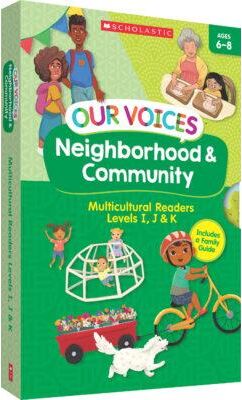
Our Voices: Neighborhood & Community Boxed SetFoster a feeling of belonging while building key reading skills with these colorful storybooks that spotlight a variety of neighborhoods and communities. The 10 charming stories feature characters from different cultural backgrounds who learn about...30,59 $*Shipping: 0,00 $Secure redirect to the provider
-
Research-powered Eye Duo - Skincare Kit Charlotte Tilbury 3265 Charlotte's Research-powered Eye Duo Size:Darlings, unlock the secret to eyes that appear brighter, depuffed, smoother and younger with my Research-Powered Eye Duo! This CharlotteTilbury.com EXCLUSIVE skincare duo includes:94,05 £*Shipping: 0,00 £Secure redirect to the provider
-
DK Earth Knowledge Genius! – Quiz Encyclopedia to Boost Your Brain & General Knowledge for KidsPut your knowledge about Planet Earth to the test with this brilliant quiz book for kids! Introducing Earth Knowledge Genius! - a brand new quiz book jam-packed with over 60 topics including mountains, deserts, extreme weather, natural wonders and so much more! Can you find the Himalayas and the Andes mountain ranges on the map? Can you spot the difference between the flags of Australia and New Zealand? Can you pinpoint the Red Sea, Black Sea and the Dead Sea on a map? If the answer is no, then this may be the book for you! Take on this brain-busting challenge about our amazing planet! So what are you waiting for? Challenge yourself and explore: -"Reference" spreads to introduce all 60 topics and give all the essential info -"Quiz" pages, packed with pictures to pore over, put your knowledge to the test -"Test Yourself" panel lists what you're looking for across three levels of difficulty - starter, challenger, and genius -A fun fact with every image gives a clue -Answers appear upside down on the page As you hop from one continent to the next, you will not only learn more about our fascinating world, but also have fun in this brilliantly entertaining quiz book for kids and the whole family to enjoy. From capital cities to amazing animals, finding flags and wild weather, you can explore pages jam-packed with eye-popping pictures - and if you don't know where each natural wonder is located, then you can use the handy "Test Yourself" panels to list what you're looking for! With three levels of difficulty, the challenge gets harder as you work your way from Starter, to Challenger, and finally the truly tricky Genius category! If you need it, there's a fun fact with every picture to give a helpful clue. A must-have volume for children aged 9-12 with a thirst for knowledge and discovery, as well as parents and teachers looking for ways to make learning fun and engaging, this awe-inspiring quiz book will keep kids, and the whole family entertained and engaged time and time again.7,95 £*Shipping: 2,99 £Secure redirect to the provider
-
Knowledge is Power (Playlink PS4), Used.gadcet-pdp{--g-green:#00a651;color:#1f2430;line-height:1.55;font-size:inherit;max-width:760px}.gadcet-pdp>*:first-child{margin-top:0}.gadcet-pdp p{margin:0 0.9em}.gadcet-pdp h3{font-size:1.05em;font-weight:600;color:#11161f;margin:1.4em 0.5em;padding-left:.5em;border-left:3px solid var(--g-green);border-radius:0;line-height:1.3}.gadcet-pdp ul{list-style:none!important;margin:0 0.9em;padding:0!important}.gadcet-pdp ul li{position:relative;padding:.1em 0.1em 1.5em;margin:0}.gadcet-pdp ul li::before{content:"";position:absolute;left:.16em;top:.45em;width:.36em;height:.66em;border:solid var(--g-green);border-width:0.14em.14em 0;transform:rotate(45deg)}.gadcet-pdp table{width:100%;border-collapse:collapse;margin:.3em 0 1em;font-size:.95em;border:1px solid #e7e9ee!important;border-radius:8px;overflow:hidden}.gadcet-pdp table td{padding:.5em.8em;border-bottom:1px solid #eef0f4!important;vertical-align:top}.gadcet-pdp table tr:last-child td{border-bottom:0!important}.gadcet-pdp table tr:nth-child(even){background:#f7f9f8}.gadcet-pdp table td:first-child{font-weight:600;color:#454c59;width:40%}@media (max-width:600px){.gadcet-pdp table td:first-child{width:42%}} Turn quiz night into a lively PlayLink challenge with Knowledge is Power for PS4. Use touchscreen controls, test your knowledge and disrupt your rivals with tactical Power Plays. Key Features PlayLink quiz game for PlayStation 4 Option to play using compatible phones and tablets with touchscreen controls Personalise characters using selfies Compete through the Pyramid of Knowledge under game show host Max Use Power Plays such as bombs and ice against opponents Vote for or veto question categories as you progress Face rapid-fire questions and Power Plays in the Grand Finale Benefits Makes group quiz sessions easy to join using familiar touchscreen controls Combines trivia with tactical choices for competitive party play Offers a social experience suited to family gatherings and games nights Specifications Title Knowledge is Power Platform PlayStation 4 Game type PlayLink party quiz Control option Phones and tablets with touchscreen controls Format Physical game disc Barcode 711719947967 What You'll Receive One Knowledge is Power physical game disc for PS4 in your selected New or Used condition. Ideal For A fun choice for families, quiz fans and groups looking for a competitive PS4 party game with accessible touchscreen play.8,99 £*Shipping: 0,00 £Secure redirect to the provider
-
What are polygons?
Polygons are two-dimensional shapes that are made up of straight lines and enclosed by a set of vertices. They can have any number of sides, but must have at least three. Common examples of polygons include triangles, squares, rectangles, pentagons, hexagons, and octagons. Polygons are used in various mathematical and geometric applications, and are fundamental to understanding the properties of shapes and their relationships. **
-
What are triangles and polygons?
Triangles are three-sided polygons, while polygons are closed shapes with straight sides. Triangles are a specific type of polygon with three sides and three angles. Polygons can have any number of sides, as long as they are straight and the shape is closed. Both triangles and polygons are fundamental shapes in geometry and are used to study the properties of angles, sides, and area. **
-
How can I reduce further polygons?
To reduce further polygons, you can try simplifying the geometry by removing unnecessary vertices or edges. This can be done by using tools like the simplify function in modeling software or manually editing the mesh to remove unnecessary details. Additionally, you can try using techniques like retopology to create a cleaner and more optimized mesh with fewer polygons. Finally, consider using LOD (Level of Detail) techniques to dynamically adjust the level of detail based on the distance of the object from the camera, reducing the number of polygons rendered at a given time. **
-
How can I further reduce polygons?
You can further reduce polygons by using tools such as the "Decimate" modifier in 3D modeling software, which allows you to reduce the number of polygons while preserving the overall shape of the model. Additionally, you can manually optimize the topology of the model by merging vertices, removing unnecessary edge loops, and simplifying complex geometry. Another approach is to use automated retopology tools to create a lower-polygon version of the model while maintaining its overall structure and details. **
Similar search terms for Polygons
-
Dorling Kindersley Knowledge Encyclopedia Science By DKKnowledge Encyclopedia Science Description An extraordinary encyclopedia with a ground-breaking visual approach to science; using awesome illustrations to show biology; chemistry; and physics in the world around us. Incredible computer-generated images pack the pages to reveal and explain science as never before; looking inside a cell; for example; pulling apart a Formula 1 racing car; and examining the forces that hold the Universe together. Knowledge Encyclopedia: Science! covers all the key core science subjects; but with an inventive visual approach to draw in curious young minds. All the essential information is there in easy-to-read text; together with additional fun facts; and brought to life with amazing 3D illustrations that look inside the anatomy of a blue whale; zoom into a molecule of water; and out of the Solar System. A perfect introduction to science for.9,99 £*Shipping: 2,99 £Secure redirect to the provider
-
SAGE Publications Case Study Research and Applications: Design and MethodsRecognized as one of the most cited methodology books in the social sciences, the Sixth Edition of Robert K. Yin′s bestselling text provides a complete portal to the world of case study research. With the integration of 11 applications in this edition, the book gives readers access to exemplary case studies drawn from a wide variety of academic and applied fields. Ultimately, Case Study Research and Applications will guide students in the successful use and application of the case study research method.59,99 £*Shipping: 0,00 £Secure redirect to the provider
-
Jeffree Star Cosmetics Velour Liquid Lipstick liquid lipstick shade Gated Community 5.6 mlJeffree Star Cosmetics Velour Liquid Lipstick, 5.6 ml, Lipsticks for Women, Beautifully accentuated lips never go out of style. The Jeffree Star Cosmetics Velour Liquid Lipstick lipstick envelops the surface of your lips in a continuous layer of irresistible and rich colour, accentuating any makeup look perfectly, whether you’re heading to work, a meeting or a party. It allows you to emphasise your lips while also giving them the shape you want or a fuller look. In just a moment, it will give your lips a gorgeous colour and perfect shape, making them the centre of attention and irresistibly kissable. Characteristics: matte effect long-lasting washes out easily Ingredients: vegan product How to use: Apply lipstick to lips from the centre to the corners using gentle strokes.13,30 £*Shipping: 3,99 £Secure redirect to the provider
-
How do you calculate regular polygons?
To calculate the area of a regular polygon, you can use the formula: Area = (1/2) * apothem * perimeter, where the apothem is the distance from the center of the polygon to the midpoint of any side, and the perimeter is the total length of all the sides. To calculate the interior angle of a regular polygon, you can use the formula: Interior angle = (180 * (n - 2)) / n, where n is the number of sides. Finally, to calculate the exterior angle of a regular polygon, you can use the formula: Exterior angle = 360 / n, where n is the number of sides. **
-
What are polygons in video games?
Polygons in video games are the building blocks of 3D graphics. They are flat, two-dimensional shapes that are used to create the surfaces of 3D objects in the game world. These polygons are connected to form the overall shape of the object, and then textures and lighting are applied to give them a more realistic appearance. The more polygons used, the more detailed and complex the 3D models can be, but this also requires more processing power from the computer or gaming console. **
-
Does a subdivision surface create more polygons?
Yes, a subdivision surface does create more polygons. When a subdivision surface is applied to a model, it increases the number of polygons by subdividing the existing geometry and creating a smoother surface. This can result in a higher level of detail and a more organic shape, but it also increases the complexity of the model and can impact performance in some cases. **
-
How do you calculate polygons in math?
To calculate the area of a polygon in math, you can use the formula A = 1/2 * base * height for a triangle, A = length * width for a rectangle, or A = 1/2 * apothem * perimeter for a regular polygon. For irregular polygons, you can divide the shape into smaller, simpler shapes and calculate their individual areas, then sum them up to find the total area of the polygon. Additionally, you can use trigonometric functions to calculate the area of a polygon with known side lengths and angles. **
* All prices are inclusive of VAT and, if applicable, plus shipping costs. The offer information is based on the details provided by the respective shop and is updated through automated processes. Real-time updates do not occur, so deviations can occur in individual cases. ** Note: Parts of this content were created by AI.