Buy sociowiki.eu ?
We are moving the project
sociowiki.eu .
Are you interested in purchasing the domain
sociowiki.eu ?
domain@kv-gmbh.de · 0541-91531010
Buy sociowiki.eu ?
Do all chromosomes have different types of information?
Yes, all chromosomes carry different types of information. Each chromosome contains a unique set of genes that encode for specific traits and functions. These genes are made up of DNA sequences that provide the instructions for building and maintaining an organism. Additionally, chromosomes also contain non-coding DNA sequences that regulate gene expression and play a role in chromosome structure and stability. Therefore, each chromosome carries a distinct combination of genetic information that contributes to the overall genetic makeup of an organism. **
Are a chromatid chromosome and two chromatid chromosomes homologous chromosomes or a set of chromosomes?
A chromatid chromosome and two chromatid chromosomes are not homologous chromosomes, but rather a set of chromosomes. Homologous chromosomes are pairs of chromosomes that contain the same genes in the same order, one from each parent. In contrast, chromatid chromosomes are duplicated copies of a single chromosome that are joined together at the centromere. Two chromatid chromosomes refer to a duplicated chromosome in preparation for cell division. **


Similar search terms for Chromosomes
Top-Angebote
Products related to Chromosomes:
-
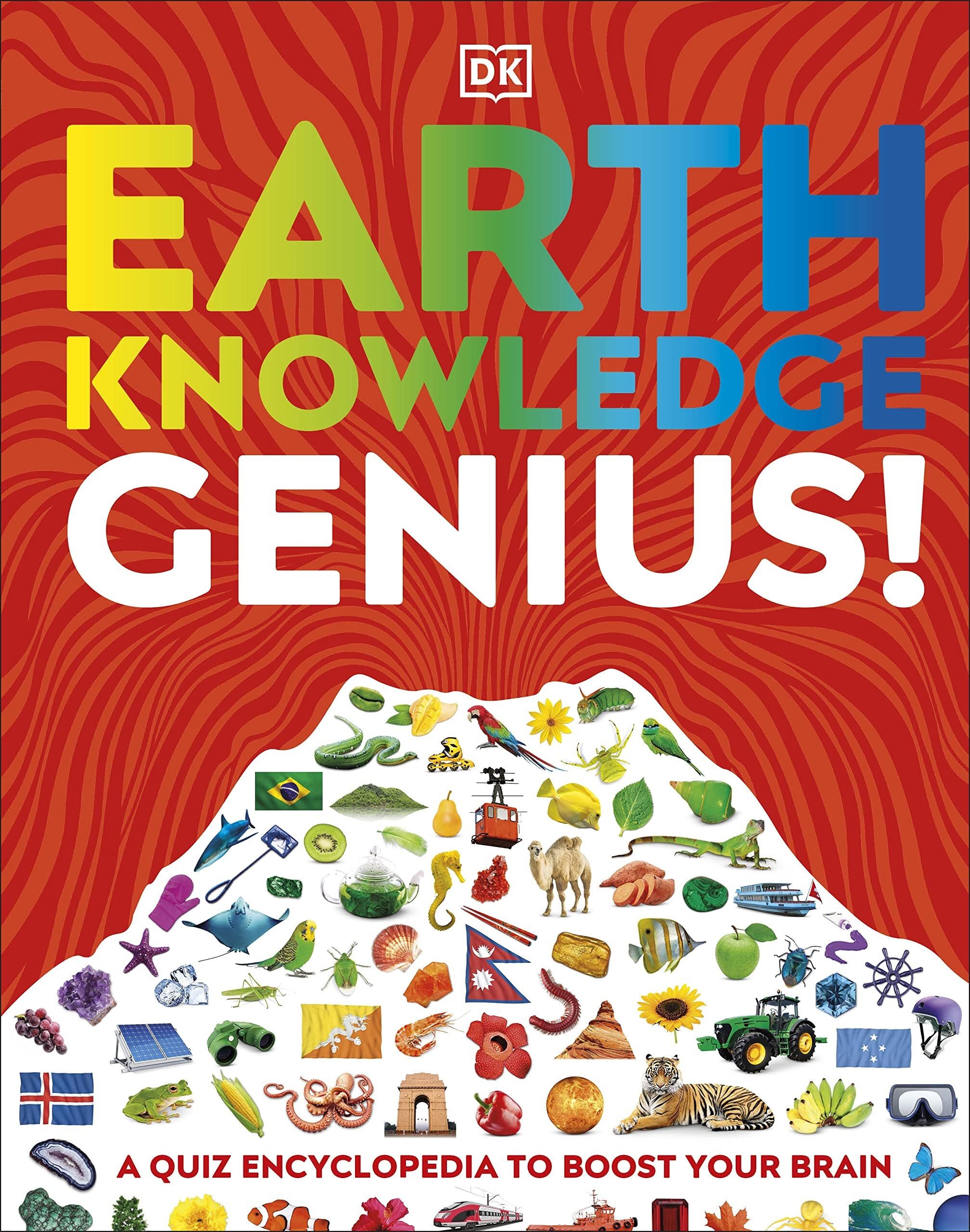
DK Earth Knowledge Genius! – Quiz Encyclopedia to Boost Your Brain & General Knowledge for KidsPut your knowledge about Planet Earth to the test with this brilliant quiz book for kids! Introducing Earth Knowledge Genius! - a brand new quiz book jam-packed with over 60 topics including mountains, deserts, extreme weather, natural wonders and so much more! Can you find the Himalayas and the Andes mountain ranges on the map? Can you spot the difference between the flags of Australia and New Zealand? Can you pinpoint the Red Sea, Black Sea and the Dead Sea on a map? If the answer is no, then this may be the book for you! Take on this brain-busting challenge about our amazing planet! So what are you waiting for? Challenge yourself and explore: -"Reference" spreads to introduce all 60 topics and give all the essential info -"Quiz" pages, packed with pictures to pore over, put your knowledge to the test -"Test Yourself" panel lists what you're looking for across three levels of difficulty - starter, challenger, and genius -A fun fact with every image gives a clue -Answers appear upside down on the page As you hop from one continent to the next, you will not only learn more about our fascinating world, but also have fun in this brilliantly entertaining quiz book for kids and the whole family to enjoy. From capital cities to amazing animals, finding flags and wild weather, you can explore pages jam-packed with eye-popping pictures - and if you don't know where each natural wonder is located, then you can use the handy "Test Yourself" panels to list what you're looking for! With three levels of difficulty, the challenge gets harder as you work your way from Starter, to Challenger, and finally the truly tricky Genius category! If you need it, there's a fun fact with every picture to give a helpful clue. A must-have volume for children aged 9-12 with a thirst for knowledge and discovery, as well as parents and teachers looking for ways to make learning fun and engaging, this awe-inspiring quiz book will keep kids, and the whole family entertained and engaged time and time again.7,95 £*Shipping: 2,99 £Secure redirect to the provider
-
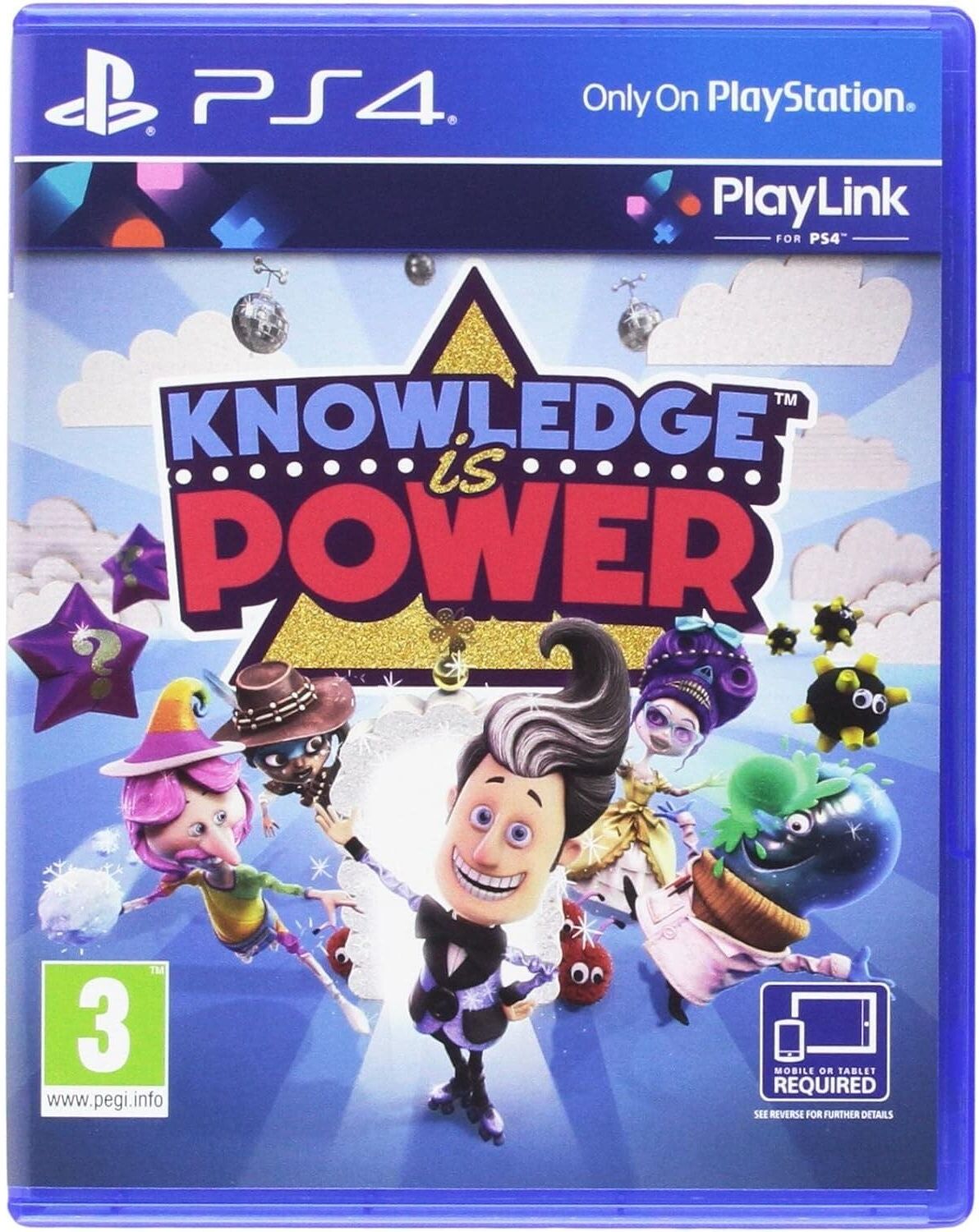
Knowledge is Power (Playlink PS4), Used.gadcet-pdp{--g-green:#00a651;color:#1f2430;line-height:1.55;font-size:inherit;max-width:760px}.gadcet-pdp>*:first-child{margin-top:0}.gadcet-pdp p{margin:0 0.9em}.gadcet-pdp h3{font-size:1.05em;font-weight:600;color:#11161f;margin:1.4em 0.5em;padding-left:.5em;border-left:3px solid var(--g-green);border-radius:0;line-height:1.3}.gadcet-pdp ul{list-style:none!important;margin:0 0.9em;padding:0!important}.gadcet-pdp ul li{position:relative;padding:.1em 0.1em 1.5em;margin:0}.gadcet-pdp ul li::before{content:"";position:absolute;left:.16em;top:.45em;width:.36em;height:.66em;border:solid var(--g-green);border-width:0.14em.14em 0;transform:rotate(45deg)}.gadcet-pdp table{width:100%;border-collapse:collapse;margin:.3em 0 1em;font-size:.95em;border:1px solid #e7e9ee!important;border-radius:8px;overflow:hidden}.gadcet-pdp table td{padding:.5em.8em;border-bottom:1px solid #eef0f4!important;vertical-align:top}.gadcet-pdp table tr:last-child td{border-bottom:0!important}.gadcet-pdp table tr:nth-child(even){background:#f7f9f8}.gadcet-pdp table td:first-child{font-weight:600;color:#454c59;width:40%}@media (max-width:600px){.gadcet-pdp table td:first-child{width:42%}} Turn quiz night into a lively PlayLink challenge with Knowledge is Power for PS4. Use touchscreen controls, test your knowledge and disrupt your rivals with tactical Power Plays. Key Features PlayLink quiz game for PlayStation 4 Option to play using compatible phones and tablets with touchscreen controls Personalise characters using selfies Compete through the Pyramid of Knowledge under game show host Max Use Power Plays such as bombs and ice against opponents Vote for or veto question categories as you progress Face rapid-fire questions and Power Plays in the Grand Finale Benefits Makes group quiz sessions easy to join using familiar touchscreen controls Combines trivia with tactical choices for competitive party play Offers a social experience suited to family gatherings and games nights Specifications Title Knowledge is Power Platform PlayStation 4 Game type PlayLink party quiz Control option Phones and tablets with touchscreen controls Format Physical game disc Barcode 711719947967 What You'll Receive One Knowledge is Power physical game disc for PS4 in your selected New or Used condition. Ideal For A fun choice for families, quiz fans and groups looking for a competitive PS4 party game with accessible touchscreen play.8,99 £*Shipping: 0,00 £Secure redirect to the provider
-
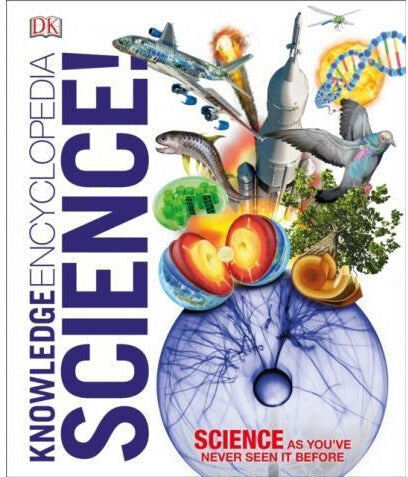
Dorling Kindersley Knowledge Encyclopedia Science By DKKnowledge Encyclopedia Science Description An extraordinary encyclopedia with a ground-breaking visual approach to science; using awesome illustrations to show biology; chemistry; and physics in the world around us. Incredible computer-generated images pack the pages to reveal and explain science as never before; looking inside a cell; for example; pulling apart a Formula 1 racing car; and examining the forces that hold the Universe together. Knowledge Encyclopedia: Science! covers all the key core science subjects; but with an inventive visual approach to draw in curious young minds. All the essential information is there in easy-to-read text; together with additional fun facts; and brought to life with amazing 3D illustrations that look inside the anatomy of a blue whale; zoom into a molecule of water; and out of the Solar System. A perfect introduction to science for.9,99 £*Shipping: 2,99 £Secure redirect to the provider
-
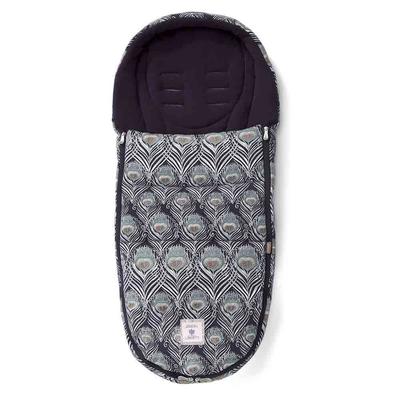
Mamas & Papas Special Edition Liberty Collaboration Cold Weather Plus FootmuffThe Cold Weather Plus Footmuff by Mamas & Papas is the ultimate footmuff for cold weather protection, and features an extra-soft fleece lining. Ideal for keeping baby warm and cozy when out and about in cool weather, you can even zip down to a liner...150,00 $*Shipping: 0,00 $Secure redirect to the provider
-
Are chromosomes unreliable?
Chromosomes are not inherently unreliable, as they are the structures that carry our genetic information and play a crucial role in cell division and inheritance. However, errors can occur during the process of chromosome replication and segregation, leading to genetic mutations and disorders. Additionally, environmental factors and lifestyle choices can also impact the stability and integrity of chromosomes. Overall, while chromosomes are essential for the functioning of our cells and the inheritance of genetic traits, they are not immune to errors and can be influenced by various factors. **
-
Is the genetic information of homologous chromosomes the same?
No, the genetic information of homologous chromosomes is not exactly the same. While homologous chromosomes carry genes for the same traits, they may have different versions of those genes, known as alleles. This genetic variation between homologous chromosomes is a result of genetic recombination during meiosis, where segments of DNA are exchanged between homologous chromosomes, leading to different combinations of alleles. This genetic diversity is important for creating variation within a population and for the process of evolution. **
-
What is the difference between single chromosomes and double chromosomes?
Single chromosomes refer to a single strand of DNA that contains genetic information. In contrast, double chromosomes refer to a pair of identical chromosomes, one from each parent, that are joined together at the centromere. Single chromosomes are found in haploid cells, such as gametes, while double chromosomes are found in diploid cells, such as somatic cells. Double chromosomes allow for genetic diversity and the exchange of genetic material through processes such as meiosis and fertilization. **
-
What is the difference between chromosomes, chromatids, and double chromosomes?
Chromosomes are the structures within cells that contain genetic information. They are made up of DNA and proteins. Chromatids are the two identical copies of a chromosome that are formed during the process of DNA replication. Double chromosomes, on the other hand, refer to the paired chromosomes that are formed during cell division, with each chromosome consisting of two sister chromatids. In summary, chromosomes are the overall structures containing genetic material, chromatids are the individual copies of a chromosome, and double chromosomes are the paired chromosomes formed during cell division. **

Does a homologous pair of chromosomes consist of two single-chromatid chromosomes or two double-chromatid chromosomes?
A homologous pair of chromosomes consists of two single-chromatid chromosomes. Each chromosome in the pair comes from one parent, and they carry the same genes in the same order, but may have different versions of those genes. During the S phase of the cell cycle, each single-chromatid chromosome replicates to form a double-chromatid chromosome, but these double-chromatid chromosomes do not pair up with each other during normal cell division. **
What is the difference between chromatids, chromosomes, and pairs of chromosomes?
Chromatids are two identical copies of a chromosome that are joined together at the centromere. Chromosomes are thread-like structures made of DNA and proteins that contain genetic information. Pairs of chromosomes refer to two homologous chromosomes, one inherited from each parent, that carry similar genes but may have different variations. In summary, chromatids are the duplicated copies of a single chromosome, chromosomes are the structures that contain genetic material, and pairs of chromosomes are homologous chromosomes inherited from each parent. **
Top-Angebote
Products related to Chromosomes:
-
Our Voices: Neighborhood & Community Boxed SetFoster a feeling of belonging while building key reading skills with these colorful storybooks that spotlight a variety of neighborhoods and communities. The 10 charming stories feature characters from different cultural backgrounds who learn about...30,59 $*Shipping: 0,00 $Secure redirect to the provider
-
Research-powered Eye Duo - Skincare Kit Charlotte Tilbury 3315 Charlotte's Research-powered Eye Duo Size:Darlings, unlock the secret to eyes that appear brighter, depuffed, smoother and younger with my Research-Powered Eye Duo! This CharlotteTilbury.com EXCLUSIVE skincare duo includes:94,05 £*Shipping: 0,00 £Secure redirect to the provider
-
DK Earth Knowledge Genius! – Quiz Encyclopedia to Boost Your Brain & General Knowledge for KidsPut your knowledge about Planet Earth to the test with this brilliant quiz book for kids! Introducing Earth Knowledge Genius! - a brand new quiz book jam-packed with over 60 topics including mountains, deserts, extreme weather, natural wonders and so much more! Can you find the Himalayas and the Andes mountain ranges on the map? Can you spot the difference between the flags of Australia and New Zealand? Can you pinpoint the Red Sea, Black Sea and the Dead Sea on a map? If the answer is no, then this may be the book for you! Take on this brain-busting challenge about our amazing planet! So what are you waiting for? Challenge yourself and explore: -"Reference" spreads to introduce all 60 topics and give all the essential info -"Quiz" pages, packed with pictures to pore over, put your knowledge to the test -"Test Yourself" panel lists what you're looking for across three levels of difficulty - starter, challenger, and genius -A fun fact with every image gives a clue -Answers appear upside down on the page As you hop from one continent to the next, you will not only learn more about our fascinating world, but also have fun in this brilliantly entertaining quiz book for kids and the whole family to enjoy. From capital cities to amazing animals, finding flags and wild weather, you can explore pages jam-packed with eye-popping pictures - and if you don't know where each natural wonder is located, then you can use the handy "Test Yourself" panels to list what you're looking for! With three levels of difficulty, the challenge gets harder as you work your way from Starter, to Challenger, and finally the truly tricky Genius category! If you need it, there's a fun fact with every picture to give a helpful clue. A must-have volume for children aged 9-12 with a thirst for knowledge and discovery, as well as parents and teachers looking for ways to make learning fun and engaging, this awe-inspiring quiz book will keep kids, and the whole family entertained and engaged time and time again.7,95 £*Shipping: 2,99 £Secure redirect to the provider
-
Knowledge is Power (Playlink PS4), Used.gadcet-pdp{--g-green:#00a651;color:#1f2430;line-height:1.55;font-size:inherit;max-width:760px}.gadcet-pdp>*:first-child{margin-top:0}.gadcet-pdp p{margin:0 0.9em}.gadcet-pdp h3{font-size:1.05em;font-weight:600;color:#11161f;margin:1.4em 0.5em;padding-left:.5em;border-left:3px solid var(--g-green);border-radius:0;line-height:1.3}.gadcet-pdp ul{list-style:none!important;margin:0 0.9em;padding:0!important}.gadcet-pdp ul li{position:relative;padding:.1em 0.1em 1.5em;margin:0}.gadcet-pdp ul li::before{content:"";position:absolute;left:.16em;top:.45em;width:.36em;height:.66em;border:solid var(--g-green);border-width:0.14em.14em 0;transform:rotate(45deg)}.gadcet-pdp table{width:100%;border-collapse:collapse;margin:.3em 0 1em;font-size:.95em;border:1px solid #e7e9ee!important;border-radius:8px;overflow:hidden}.gadcet-pdp table td{padding:.5em.8em;border-bottom:1px solid #eef0f4!important;vertical-align:top}.gadcet-pdp table tr:last-child td{border-bottom:0!important}.gadcet-pdp table tr:nth-child(even){background:#f7f9f8}.gadcet-pdp table td:first-child{font-weight:600;color:#454c59;width:40%}@media (max-width:600px){.gadcet-pdp table td:first-child{width:42%}} Turn quiz night into a lively PlayLink challenge with Knowledge is Power for PS4. Use touchscreen controls, test your knowledge and disrupt your rivals with tactical Power Plays. Key Features PlayLink quiz game for PlayStation 4 Option to play using compatible phones and tablets with touchscreen controls Personalise characters using selfies Compete through the Pyramid of Knowledge under game show host Max Use Power Plays such as bombs and ice against opponents Vote for or veto question categories as you progress Face rapid-fire questions and Power Plays in the Grand Finale Benefits Makes group quiz sessions easy to join using familiar touchscreen controls Combines trivia with tactical choices for competitive party play Offers a social experience suited to family gatherings and games nights Specifications Title Knowledge is Power Platform PlayStation 4 Game type PlayLink party quiz Control option Phones and tablets with touchscreen controls Format Physical game disc Barcode 711719947967 What You'll Receive One Knowledge is Power physical game disc for PS4 in your selected New or Used condition. Ideal For A fun choice for families, quiz fans and groups looking for a competitive PS4 party game with accessible touchscreen play.8,99 £*Shipping: 0,00 £Secure redirect to the provider
-
Do all chromosomes have different types of information?
Yes, all chromosomes carry different types of information. Each chromosome contains a unique set of genes that encode for specific traits and functions. These genes are made up of DNA sequences that provide the instructions for building and maintaining an organism. Additionally, chromosomes also contain non-coding DNA sequences that regulate gene expression and play a role in chromosome structure and stability. Therefore, each chromosome carries a distinct combination of genetic information that contributes to the overall genetic makeup of an organism. **
-
Are a chromatid chromosome and two chromatid chromosomes homologous chromosomes or a set of chromosomes?
A chromatid chromosome and two chromatid chromosomes are not homologous chromosomes, but rather a set of chromosomes. Homologous chromosomes are pairs of chromosomes that contain the same genes in the same order, one from each parent. In contrast, chromatid chromosomes are duplicated copies of a single chromosome that are joined together at the centromere. Two chromatid chromosomes refer to a duplicated chromosome in preparation for cell division. **
-
Are chromosomes unreliable?
Chromosomes are not inherently unreliable, as they are the structures that carry our genetic information and play a crucial role in cell division and inheritance. However, errors can occur during the process of chromosome replication and segregation, leading to genetic mutations and disorders. Additionally, environmental factors and lifestyle choices can also impact the stability and integrity of chromosomes. Overall, while chromosomes are essential for the functioning of our cells and the inheritance of genetic traits, they are not immune to errors and can be influenced by various factors. **
-
Is the genetic information of homologous chromosomes the same?
No, the genetic information of homologous chromosomes is not exactly the same. While homologous chromosomes carry genes for the same traits, they may have different versions of those genes, known as alleles. This genetic variation between homologous chromosomes is a result of genetic recombination during meiosis, where segments of DNA are exchanged between homologous chromosomes, leading to different combinations of alleles. This genetic diversity is important for creating variation within a population and for the process of evolution. **
Similar search terms for Chromosomes
-
Dorling Kindersley Knowledge Encyclopedia Science By DKKnowledge Encyclopedia Science Description An extraordinary encyclopedia with a ground-breaking visual approach to science; using awesome illustrations to show biology; chemistry; and physics in the world around us. Incredible computer-generated images pack the pages to reveal and explain science as never before; looking inside a cell; for example; pulling apart a Formula 1 racing car; and examining the forces that hold the Universe together. Knowledge Encyclopedia: Science! covers all the key core science subjects; but with an inventive visual approach to draw in curious young minds. All the essential information is there in easy-to-read text; together with additional fun facts; and brought to life with amazing 3D illustrations that look inside the anatomy of a blue whale; zoom into a molecule of water; and out of the Solar System. A perfect introduction to science for.9,99 £*Shipping: 2,99 £Secure redirect to the provider
-
Mamas & Papas Special Edition Liberty Collaboration Cold Weather Plus FootmuffThe Cold Weather Plus Footmuff by Mamas & Papas is the ultimate footmuff for cold weather protection, and features an extra-soft fleece lining. Ideal for keeping baby warm and cozy when out and about in cool weather, you can even zip down to a liner...150,00 $*Shipping: 0,00 $Secure redirect to the provider
-
SAGE Publications Research Design - International Student Edition: Qualitative, Quantitative, and Mixed Methods ApproachesThe new edition of the best-selling text, Research Design: Qualitative, Quantitative, and Mixed Methods Approaches, continues the pioneering tradition of providing clear and concise instruction for understanding research and developing proposals for all three approaches. John W. Creswell and co-author J. David Creswell include a preliminary consideration of philosophical assumptions, a review of the literature, an assessment of the use of theory in research approaches, and reflections about the importance of writing and ethics in scholarly inquiry in a way that is applicable to all types of research. Key elements of the research process, giving specific attention to each approach. The book has been lauded for its language and tone, which are both accessible and inviting. It is a text that students keep and continue to use as a resource throughout their studies, once the specific class is over. The Sixth Edition includes more coverage of community-based participatory research, comparisons of qualitative and quantitative research, an expanded glossary with basic terms, updated examples of social, behavioural, and health research, new coverage of ethical requirements, updated APA 7th edition coverage, and additional exercises aimed at research projects.59,95 £*Shipping: 0,00 £Secure redirect to the provider
-
What is the difference between single chromosomes and double chromosomes?
Single chromosomes refer to a single strand of DNA that contains genetic information. In contrast, double chromosomes refer to a pair of identical chromosomes, one from each parent, that are joined together at the centromere. Single chromosomes are found in haploid cells, such as gametes, while double chromosomes are found in diploid cells, such as somatic cells. Double chromosomes allow for genetic diversity and the exchange of genetic material through processes such as meiosis and fertilization. **
-
What is the difference between chromosomes, chromatids, and double chromosomes?
Chromosomes are the structures within cells that contain genetic information. They are made up of DNA and proteins. Chromatids are the two identical copies of a chromosome that are formed during the process of DNA replication. Double chromosomes, on the other hand, refer to the paired chromosomes that are formed during cell division, with each chromosome consisting of two sister chromatids. In summary, chromosomes are the overall structures containing genetic material, chromatids are the individual copies of a chromosome, and double chromosomes are the paired chromosomes formed during cell division. **
-
Does a homologous pair of chromosomes consist of two single-chromatid chromosomes or two double-chromatid chromosomes?
A homologous pair of chromosomes consists of two single-chromatid chromosomes. Each chromosome in the pair comes from one parent, and they carry the same genes in the same order, but may have different versions of those genes. During the S phase of the cell cycle, each single-chromatid chromosome replicates to form a double-chromatid chromosome, but these double-chromatid chromosomes do not pair up with each other during normal cell division. **
-
What is the difference between chromatids, chromosomes, and pairs of chromosomes?
Chromatids are two identical copies of a chromosome that are joined together at the centromere. Chromosomes are thread-like structures made of DNA and proteins that contain genetic information. Pairs of chromosomes refer to two homologous chromosomes, one inherited from each parent, that carry similar genes but may have different variations. In summary, chromatids are the duplicated copies of a single chromosome, chromosomes are the structures that contain genetic material, and pairs of chromosomes are homologous chromosomes inherited from each parent. **
* All prices are inclusive of VAT and, if applicable, plus shipping costs. The offer information is based on the details provided by the respective shop and is updated through automated processes. Real-time updates do not occur, so deviations can occur in individual cases. ** Note: Parts of this content were created by AI.